Aarhus Centre for Regenerative Building was founded on September 1, 2023, by Aarhus University, Aarhus School of Architecture, and the family behind Søren Jensen Engineering. We have joined forces, bringing our commitment and diverse disciplines together - to demonstrate how the built environment can make a positive difference for the climate, nature, the environment, and people.
Ambition
A new practice
The ambition of Aarhus Centre for Regenerative Building is to promote a new regenerative building paradigm. We will achieve this by accelerating the dialogue between disciplines and facilitating collaboration across research, education, and the private sector.
Our driving force is the desire to make a tangible difference on the urgent climate crisis. In order to do so we must work beyond our own fields. At present, there isn't enough research within the field of the built environment, and research is usually conducted in isolation from other disciplines. This needs to change if we are to make rapid progress.
The centre's ambition is to become a beacon for regenerative building, both in a Danish and an international context. Through specific projects, research, and knowledge sharing, we aim to influence how the understands itself, as well as its frameworks and paradigms.
We started focusing on building our organisation, building our network, and constantly work to secure funding and launch projects in close collaboration with partner companies and organisations that share our ambition.

Objectives

To create and run a sustainable regenerative organisation that makes a positive difference
We aim to create an organisation that not only advocates for but also actively embodies regenerative principles. The centre, in other words, should have a positive impact on nature, environment, and society, including a focus on CO2 footprint, climate, biodiversity, ethics, and human well-being.

To promote interdisciplinary collaboration that can advance the built environment in a regenerative direction
We want to develop the best possible framework for collaboration between research, education, and the private sector. The goal is to create systemic change through new forms of collaboration and knowledge networks driven by personal commitment and high expertise.

To support the regenerative paradigm shift through a holistic approach to knowledge and research
We will assist the industry in the deep transition to regenerative building by employing an open approach to research, evidence, and learning. Sciences as diverse as agroecology, anthropology, biology, chemistry, sociology, and economics should be invited to participate and contribute.

To incorporate evidence-based knowledge about people and nature into the future's ethical aesthetics
We will initiate an evidence-based dialogue on the interaction between nature, people, and built environment, and how the relationship between these three elements will impact everything from financing and urban planning to architecture and the execution of future construction projects.

To promote learning and knowledge through experiments and practical application
We want to build a culture where theory and dialogue are always followed by implementation. We believe that learning occurs when ideas and visions meet reality, and therefore, pilot projects, prototypes, and practical testing will play a significant role in our work.

To contribute to defining regenerative building in a Danish context
We want to ensure that all relevant stakeholders in Denmark understand the rationale behind a regenerative built environment. We will achieve this through our projects and knowledge-sharing, as well as by being consistently visible in the public debate about the role of construction in the future.

To function as an international hub for knowledge
We will collaborate closely with leading international research and knowledge centres in regenerative thinking. Only by assembling and sharing knowledge internationally can we ensure that we learn from the best and become the best at sharing knowledge ourselves.

To promote the financing of basic and applied research
We will work to secure long-term and sustainable financing for both basic research and research-based demonstration projects within regenerative building. We will seek funding from both established and new sources, Danish as well as international, private as well as public.

To be a credible and independent conversation partner
We aim to be an internationally recognized knowledge centre for anyone seeking guidance and advice within regenerative building, whether they are legislators, researchers, engineers, or architects. We will work independently and build credibility through our research and communication.
Collaborating Partner Team
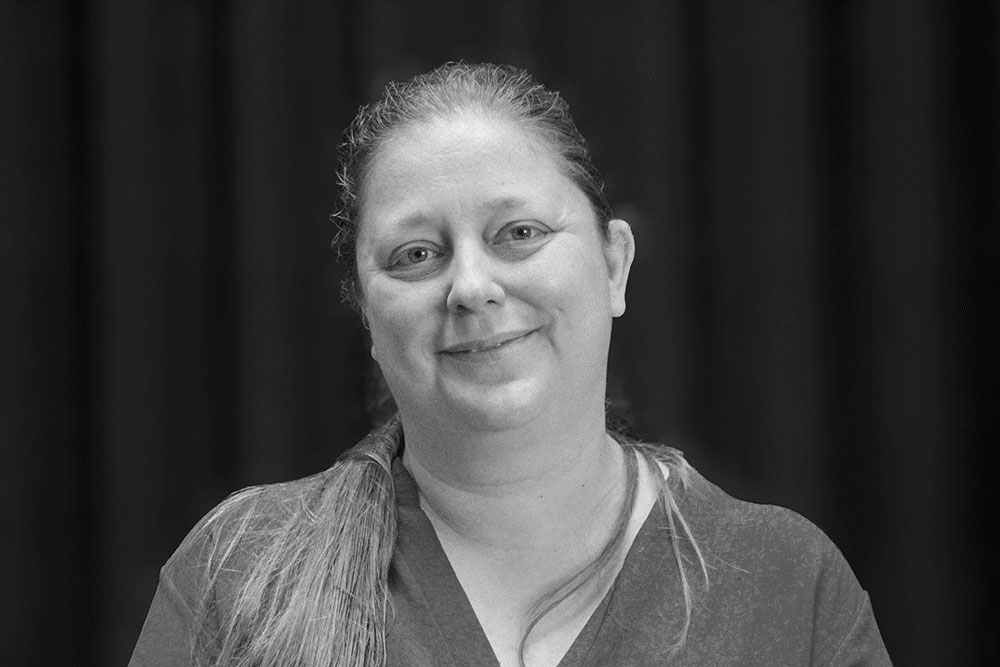
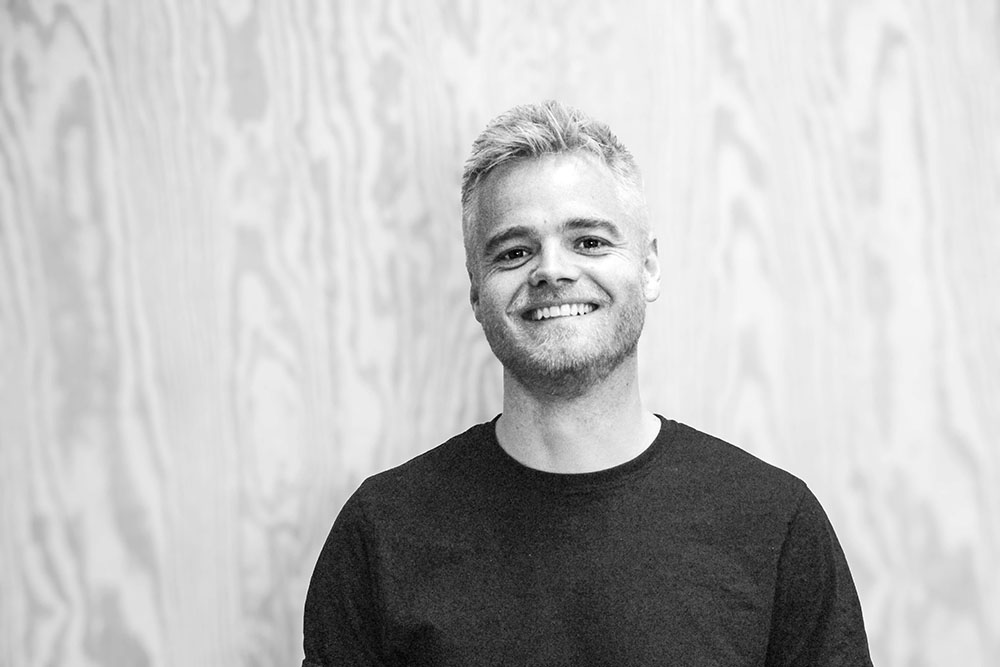
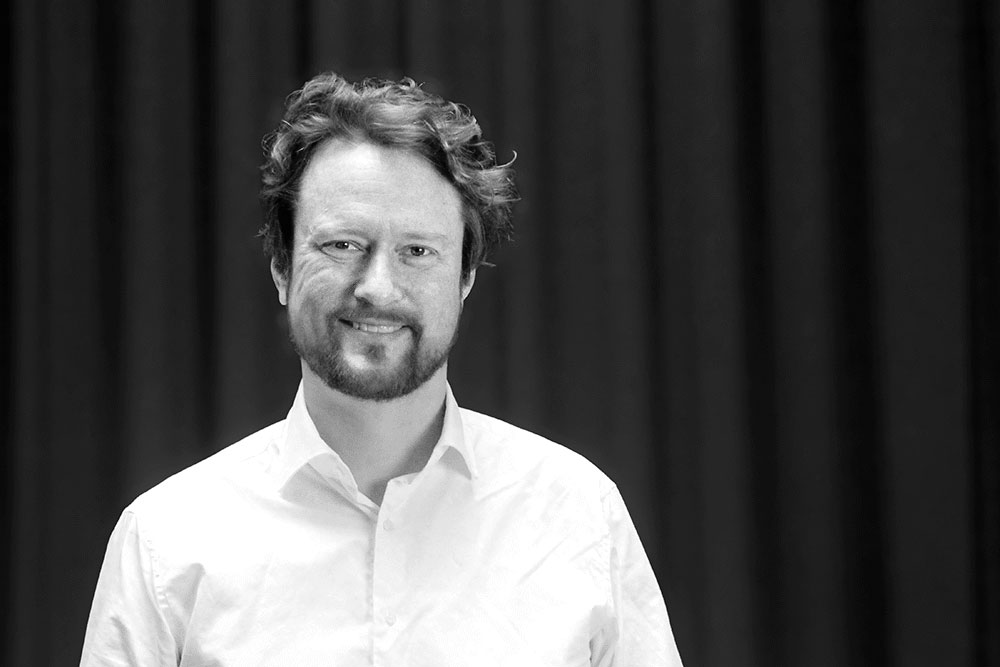
Steffen Petersen
Professor, Building Science
Aarhus University, Department of Civil and Architectural Engineering
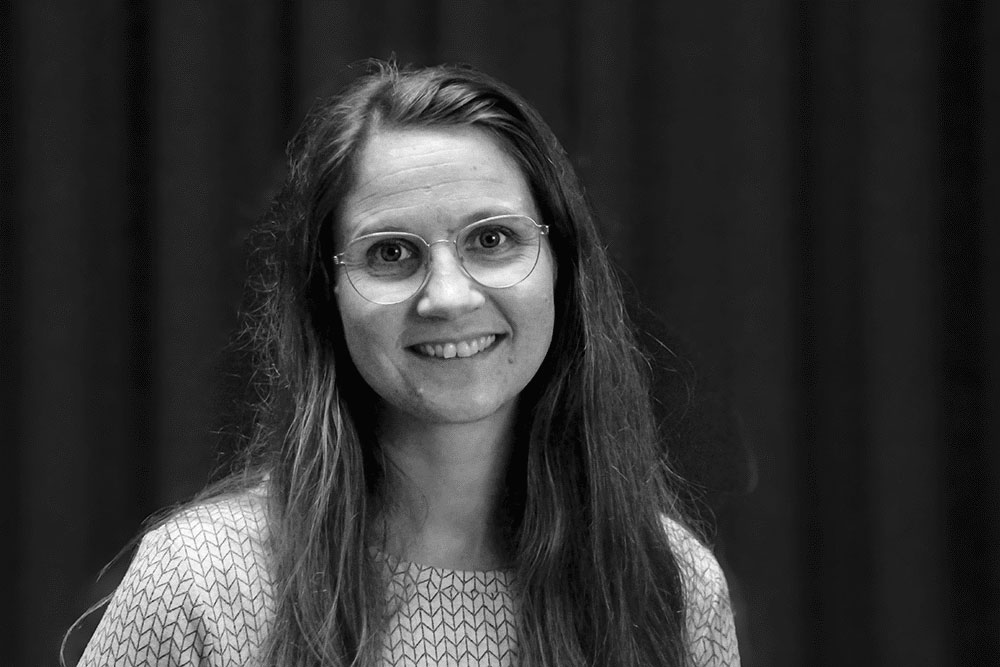
Pil Brix Purup
Assistant Professor, Building Science
Aarhus University, Department of Civil and Architectural Engineering
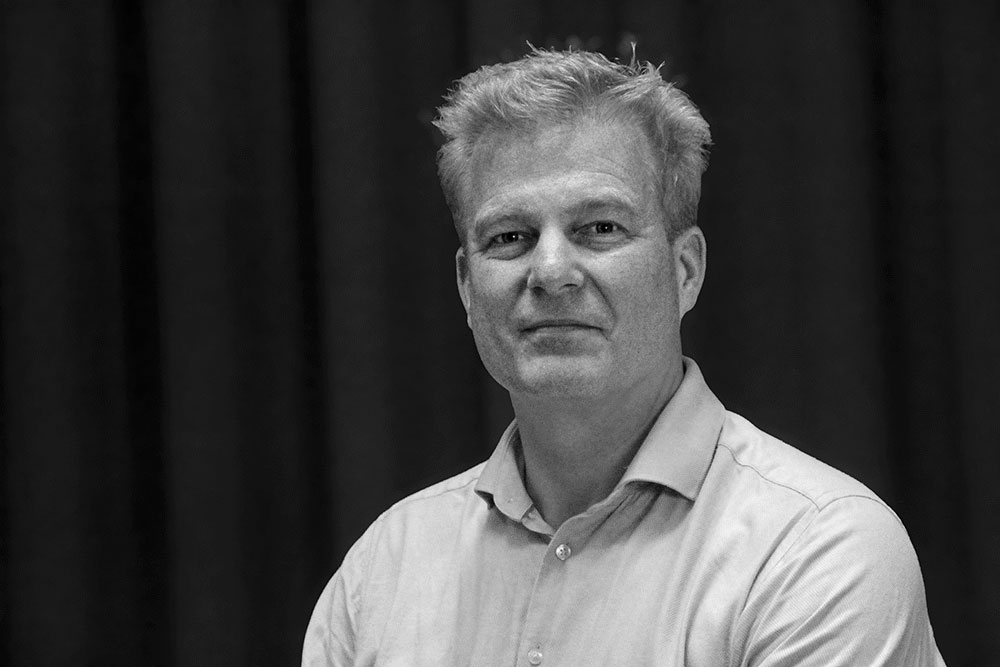
Gustaf Lohm
Chef Consultant, Architect, Project Director Living Labs
Aarhus University, Department of Civil and Architectural Engineering
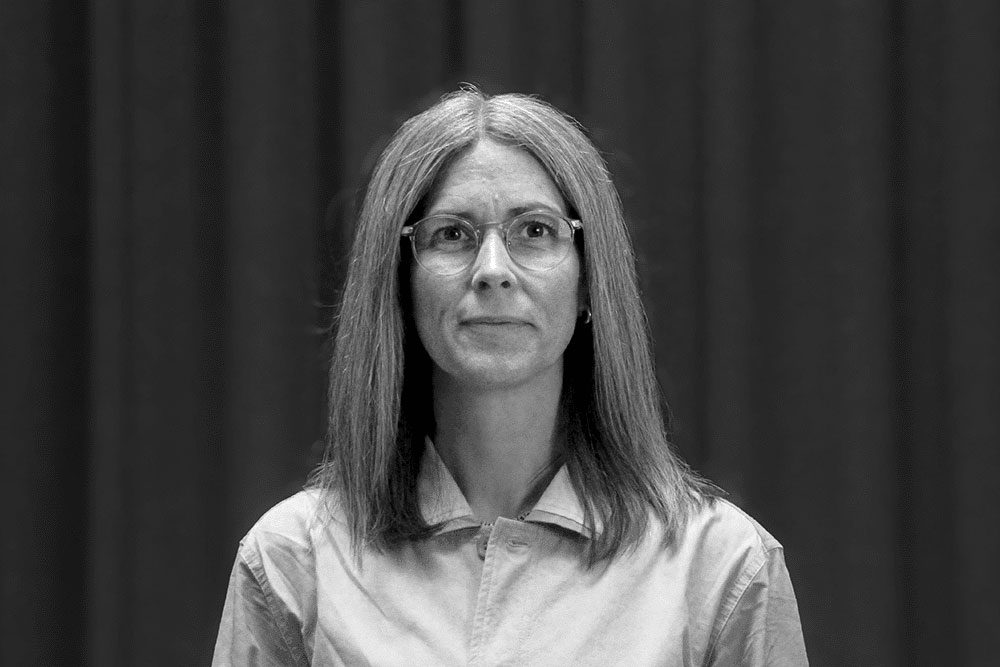
Mette Stasiak Hagelquist
Project Manager
Aarhus University, Department of Civil and Architectural Engineering
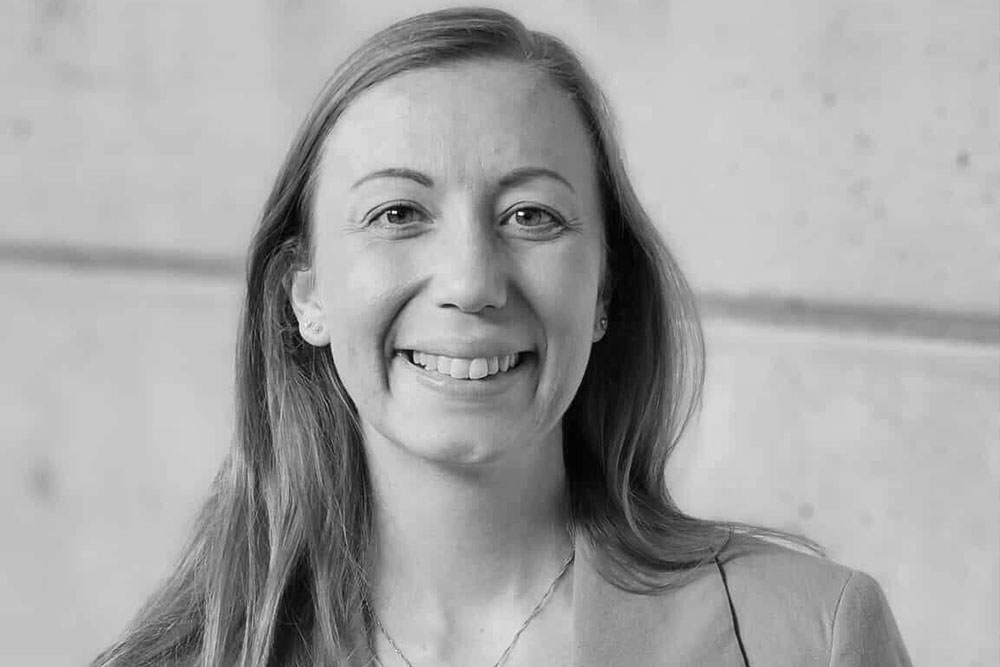
Kristina Hoffmann
Secretariat Staff Member
Aarhus University, Department of Civil and Architectural Engineering
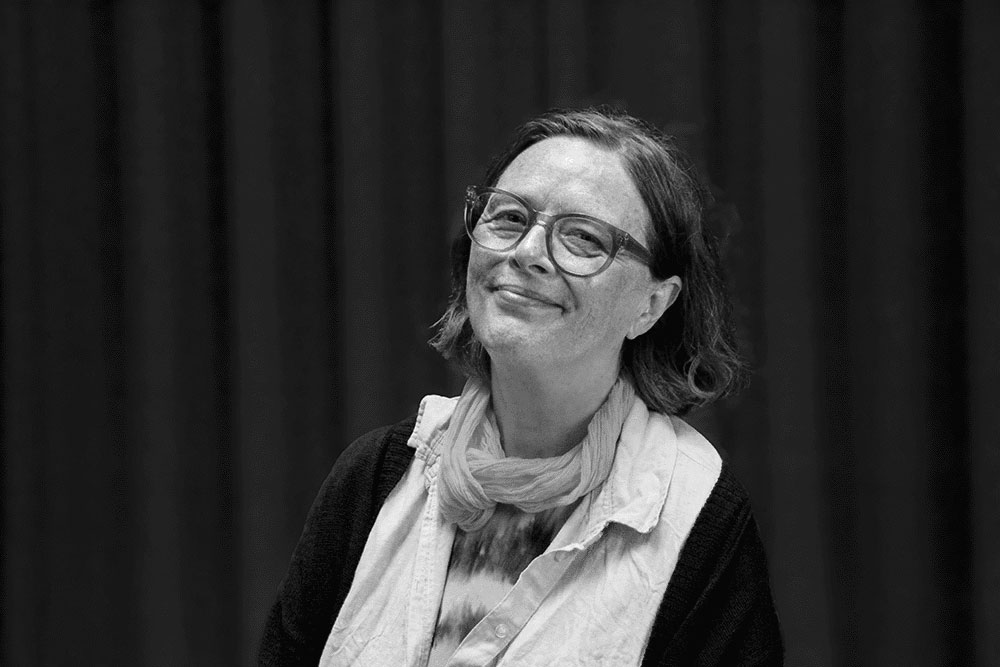
Lotte M. Bjerregaard Jensen
Professor MSO Sustainable Architecture, Cand.arch., Ph.D.
Aarhus School of Architecture
Stina Rask Jensen
Senior Architect, Head of Transformation & Conservation, Architect MSc, Ph.D.
CEBRA
Steering Committee
Søren Wandahl
Professor, Head of Department
Aarhus University, Department of Civil and Architectural Engineering
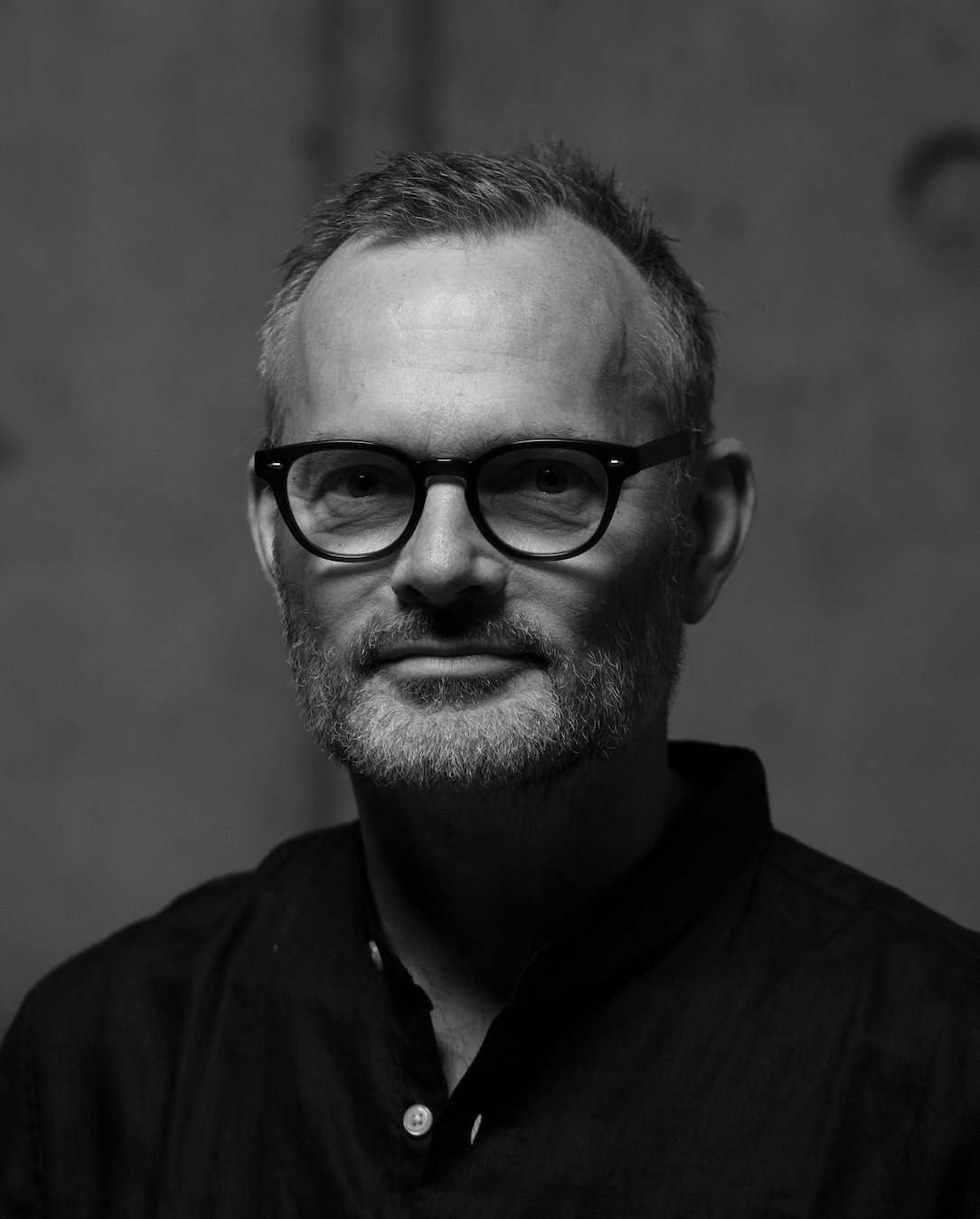
Thomas Bo Jensen
Head of Research, Professor, Cand.arch., Ph.D.
Aarhus School of Architecture

Jacob Doktor Mogensen
CEO
INCUBA
Anne Mette Boye
Chief City Architect, Architect MAA, Ph.d.
Aarhus Kommune
Strategic Partners